
Blood stem cells were the first stem cells to be identified. Their discovery in the 1960s marked the beginning of stem cell research. Today, researchers continue to learn from blood stem cells and are working to identify new ways to use them in the clinic.
👉 The Bible states that blood can used to purified and treat diseases :
In Hebrew 9:22 ” According to the law, in fact, nearly everything must be purified with blood, and without the shedding of blood there is no forgiveness.
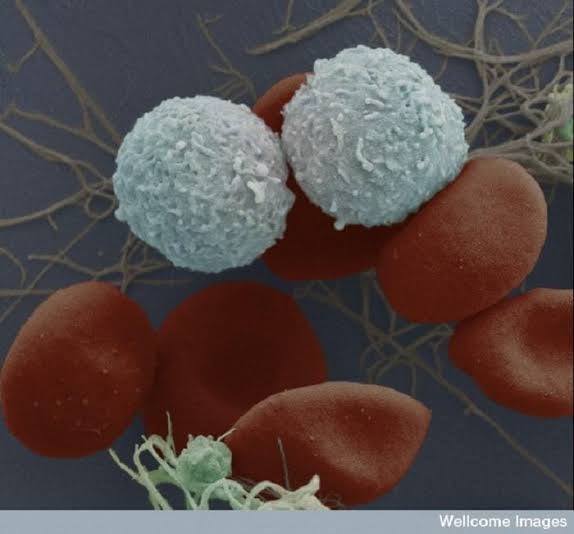
Blood stem cells are also known as haematopoietic stem cells. Like other stem cells, they can self-renew, or copy themselves. They also produce the different types of specialized cells found in the blood: both red blood cells and the many kinds of white blood cells needed by the body’s immune system.
Specialized blood cells do not live very long, so the body needs to replace them continuously. Blood stem cells do this job. They are found in the bone marrow of long bones such as the femurs (thigh bones), and in the hips or pelvis, the vertebrae (backbones) and the rib cage. They can also be obtained from the umbilical cord blood and the placenta at birth.
What can blood tell us about what’s happening in our body?
In Joel 3:21 “For I will cleanse their blood that I have not cleansed: for the LORD dwelleth in Zion.
What blood can tell us:
When someone presents at an emergency department, the initial panel of tests will include a full blood count. This details the red blood cell count, white blood cell count and platelets; electrolytes (the substance in our blood that carries an electric charge that is vital for life) to measure kidney function; liver function tests and “C-reactive protein” which can tell us if there is inflammation somewhere in the body.
From these tests we can determine things like the presence of anaemia (low red blood cells from various causes), infection, kidney failure and liver disease. Often the results of these tests will trigger further testing. For example, the presence of anaemia will usually lead to testing for iron deficiency, possibly vitamin B12 and folate, screening for haemolysis (destruction of red blood cells) and a measure of how well the bone marrow, which makes red blood cells, is responding.
If infection is suspected, blood will be drawn and transferred into a bottle that enables bacteria to grow. Bacteria in the blood is called septicaemia. The identification of the bacteria responsible significantly helps in the management, meaning the right antibiotics can be delivered to the patient.
 THE SCIENCE OF THE BIBLE